

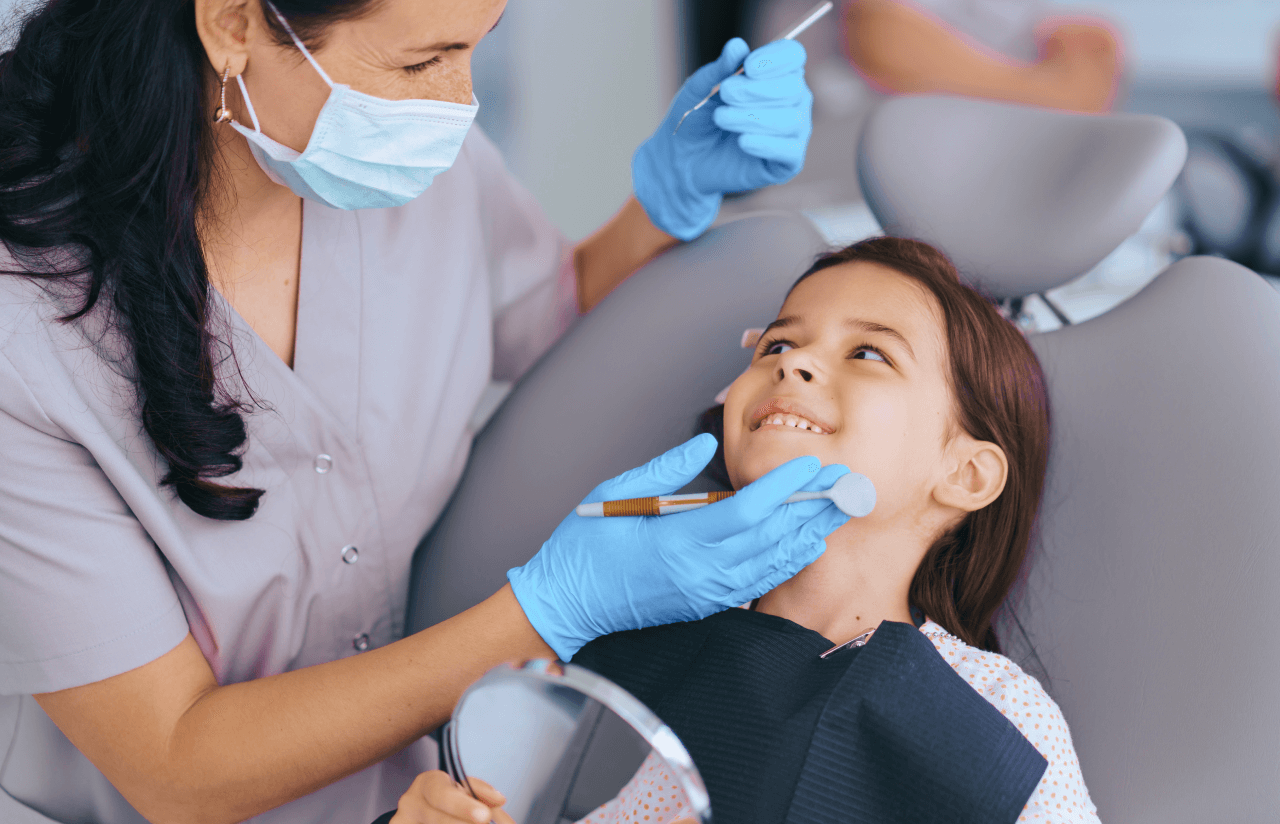
Preventive dental care is a cornerstone of pediatric dentistry. Routine check-ups, professional cleanings, and fluoride treatments help protect children’s teeth from cavities and other dental issues. Pediatric dentists also provide sealants, which are thin coatings applied to the chewing surfaces of the back teeth to prevent decay. In addition to clinical treatments, pediatric dentists place a strong emphasis on educating children and parents about good oral hygiene habits, proper brushing and flossing techniques, and the importance of a balanced diet in maintaining healthy teeth.
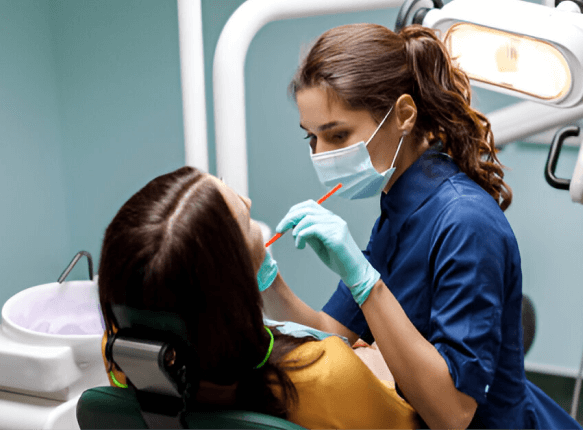
Pediatric dentistry is a specialized branch of dentistry that focuses on the oral health of infants, children, and adolescents, including those with special healthcare needs. Pediatric dentists are uniquely trained to provide comprehensive dental care that addresses the unique needs of young patients at every stage of their development. Their education includes advanced training beyond dental school, allowing them to understand child behavior, manage dental growth and development, and create a welcoming environment that eases dental anxiety.

Early Diagnosis and Treatment

Pediatric dentists are trained to detect early signs of dental problems such as tooth decay, misalignment, and developmental issues. By diagnosing these conditions early, they can provide timely treatment that prevents more serious problems in the future. Treatments may include fillings, crowns, and space maintainers, which are used when a child loses a baby tooth prematurely. Pediatric dentists also monitor the growth of the jaw and teeth, and they may work closely with orthodontists when early intervention is needed to correct bite or alignment issues.

Key Features:

Management of Dental Anxiety and Special Needs

Creating a positive and stress-free dental experience is vital for young patients. Pediatric dental offices are often designed to be child-friendly, with colorful decor, toys, and engaging visuals to help children feel at ease. Pediatric dentists are skilled in behavior management techniques, such as tell-show-do, positive reinforcement, and distraction. For children with dental anxiety or those requiring extensive procedures, sedation dentistry—including nitrous oxide (laughing gas) or general anesthesia—may be safely administered. Additionally, pediatric dentists are experienced in treating children with special healthcare needs, ensuring that every child receives compassionate, individualized care.

What should I do in case of a dental emergency?

Contact our clinic immediately. We offer emergency appointments and prioritize urgent dental issues such as toothaches, broken teeth, or lost fillings.

How do I know if I need braces or Invisalign?

Contact our clinic immediately. We offer emergency appointments and prioritize urgent dental issues such as toothaches, broken teeth, or lost fillings.

How often should I visit the dentist?

Contact our clinic immediately. We offer emergency appointments and prioritize urgent dental issues such as toothaches, broken teeth, or lost fillings.

Do you offer sedation for nervous patients?

Contact our clinic immediately. We offer emergency appointments and prioritize urgent dental issues such as toothaches, broken teeth, or lost fillings.